Thetys Pumps SRL
Tel: +40 744 595 445
E-mail: office@thetyspumps.com
Str. Comana, nr. 3, sector 1,
011273 Bucuresti, Romania
Because life is fluid.


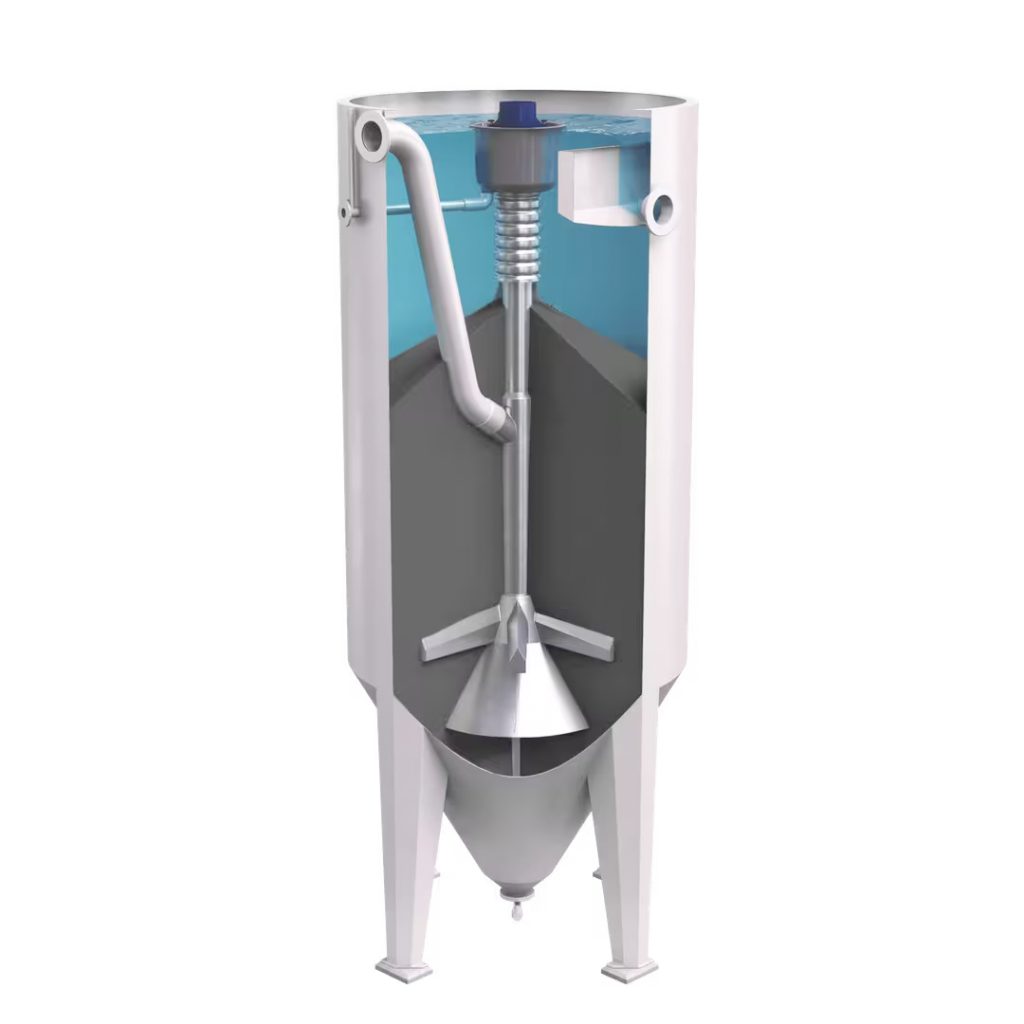
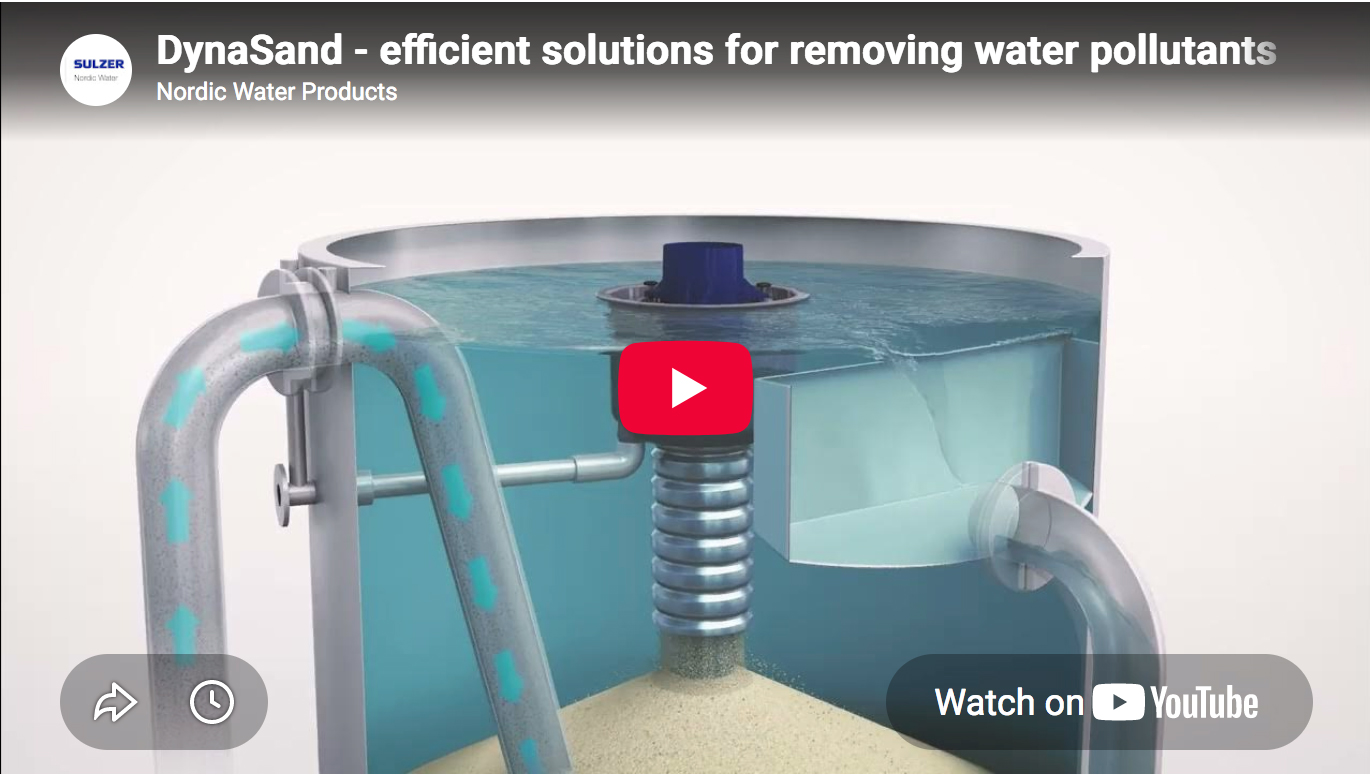
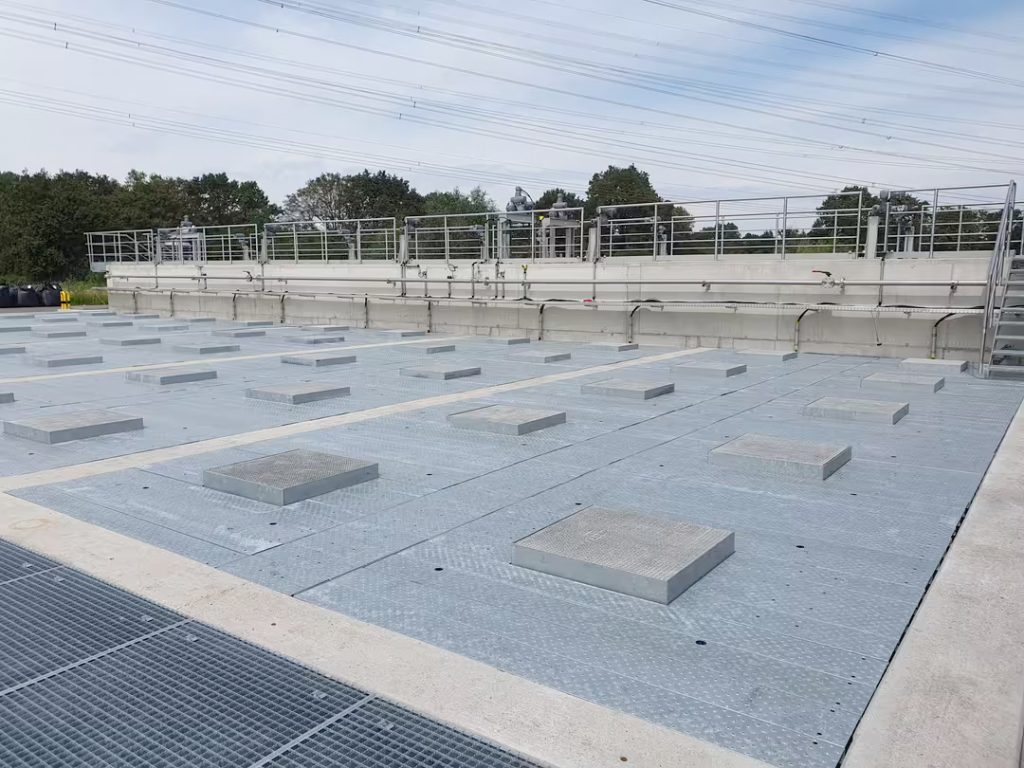
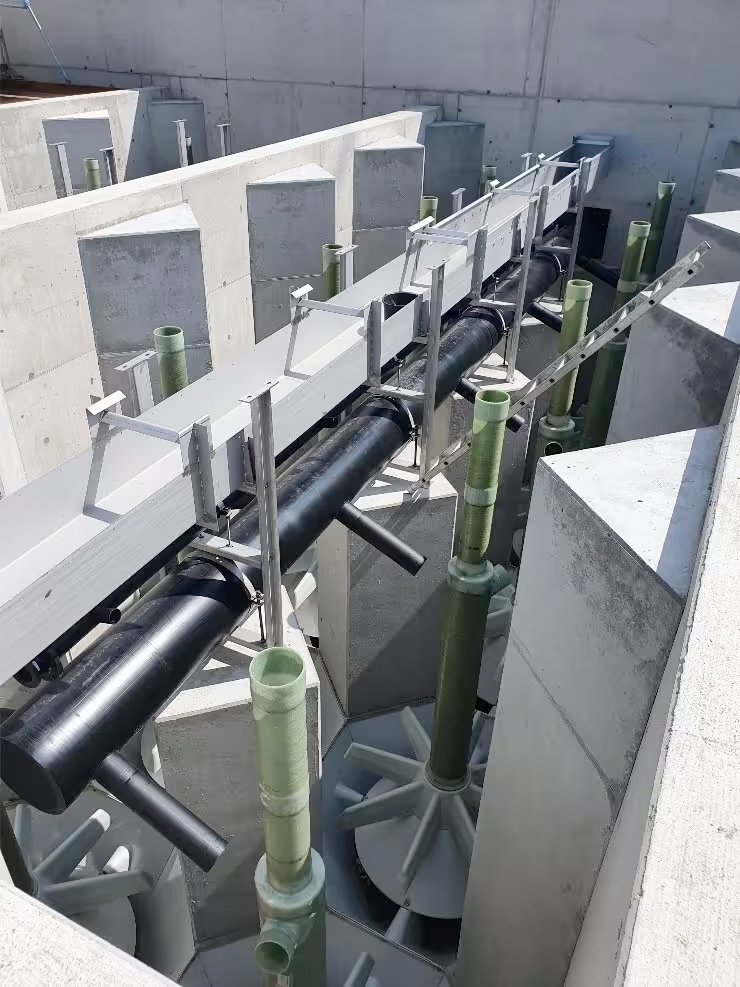
DynaSand Carbon provides continuous carbon filtration for micropollutant removal in municipal and industrial wastewater, as well as clean water applications. By combining up-flow filtration with continuous media movement, it delivers stable adsorption of pharmaceuticals, personal care products and other trace organics without the downtime associated with conventional backwash filters.
This makes DynaSand Carbon a practical option where:
Micropollutant reduction is only one part of what the system can do, but it is a key driver in many current projects and regulations.
DynaSand Carbon uses the established DynaSand continuous filtration principle, with granular activated carbon as the filter media.
Typical applications: quaternary polishing, clean water treatment, industrial water and wastewater treatment
Q1. What is DynaSand Carbon and how does it work?
DynaSand Carbon is a continuous granular activated carbon (GAC) filter that uses an internal airlift column to move and clean the media and elute foreign debris continuously. Water flows upward through the carbon bed, where organics, micropollutants and oxidants are adsorbed.
Q2. How does DynaSand Carbon remove micropollutants?
Micropollutants are adsorbed onto the activated carbon as the water passes through the bed. The continuous movement of the carbon maintains adsorption efficiency and prevents the breakthrough issues seen in static GAC beds, especially under variable loading.
Q3. Can DynaSand Carbon remove chlorine, chloramine and ozone?
Yes. Activated carbon naturally removes free chlorine, chloramine and ozone through catalytic and adsorptive reactions. This makes DynaSand Carbon suitable as pre-treatment before RO, NF or ion exchange systems, where oxidants must be removed to protect membranes and resins.
Q4. When should I use DynaSand Carbon instead of conventional GAC filters?
DynaSand Carbon is preferred when:
Conventional GAC is suitable for long EBCT, low-flow and stable operating conditions.
Q5. What contaminants can DynaSand Carbon remove?
Typical targets include:
*Design-dependent; influent quality and carbon selection determine performance.
Q6. Can DynaSand Carbon be used in drinking water treatment?
Yes. DynaSand Carbon can provide NOM reduction, pesticide removal, taste/odour control and oxidant removal in surface water and groundwater systems. It can operate as a primary GAC step or as a polishing step downstream of clarification and filtration.
Q7. Is DynaSand Carbon suitable for industrial wastewater?
Yes. It is commonly used for:
Industries include pulp & paper, textiles, food & beverage, pharmaceuticals and chemicals.
Q8. How often does activated carbon need to be replaced?
Carbon replacement intervals depend on:
Continuous filtration extends media life by reducing fouling and maintaining adsorption performance.
Q9. Does DynaSand Carbon require backwash equipment?
No. The filter continuously regenerates carbon using an internal airlift and washer. This eliminates the need for:
Q10. Can DynaSand Carbon integrate with existing treatment trains?
Yes. It is typically installed downstream of:
It can also serve as a polishing step before membranes or reuse.
Q11. What is EBCT? (Empty Bed Contact Time)
EBCT is the theoretical time water spends in the carbon bed, based on the carbon volume and flow rate. It is a standard design parameter for PAC/GAC systems in municipal and industrial water treatment.
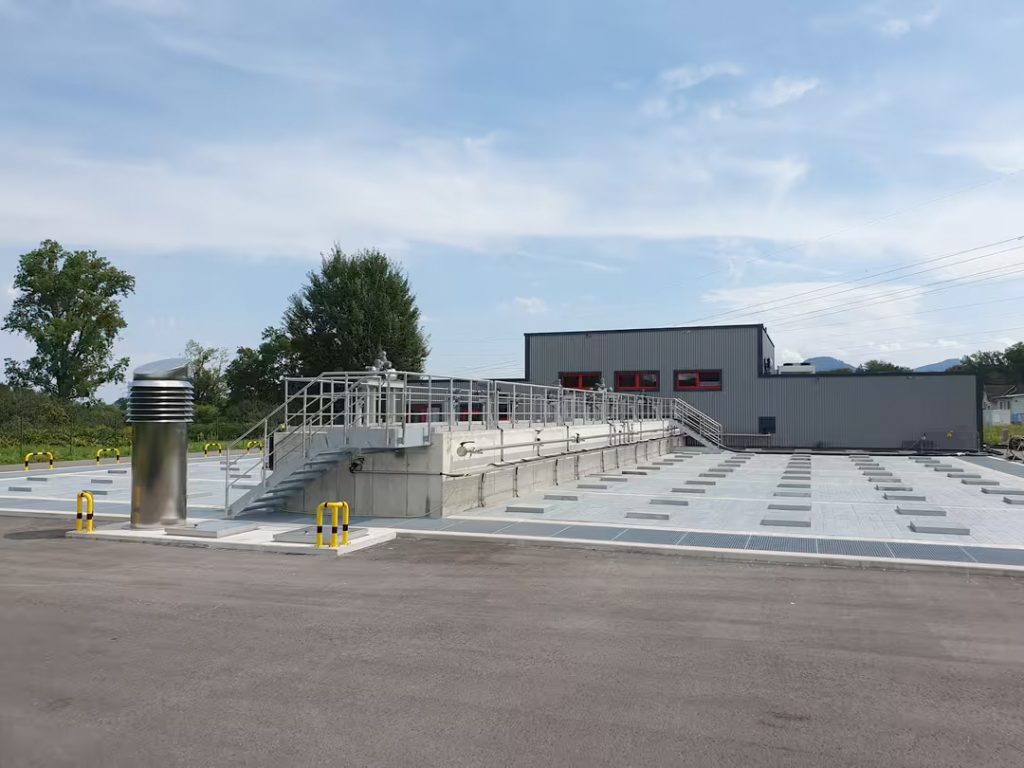
DynaSand Carbon can be installed downstream of existing clarification and filtration stages or integrated as a new quaternary step.
DynaSand Carbon can complement existing coagulation–clarification–filtration–disinfection trains where additional organic and oxidant control is required, particularly before RO and NF membranes.
Continuous carbon filtration is particularly suited to industrial plants where flows are high, downtime is costly and influent conditions – including oxidant levels – can vary.
When applying DynaSand Carbon, we typically evaluate:
These details are usually developed in collaboration with plant operators or designers and may be supported by pilot testing where appropriate.