

Thetys Pumps SRL
Tel: +40 744 595 445
E-mail: office@thetyspumps.com
Str. Comana, nr. 3, sector 1,
011273 Bucuresti, Romania
Because life is fluid.


How the PCCS series works
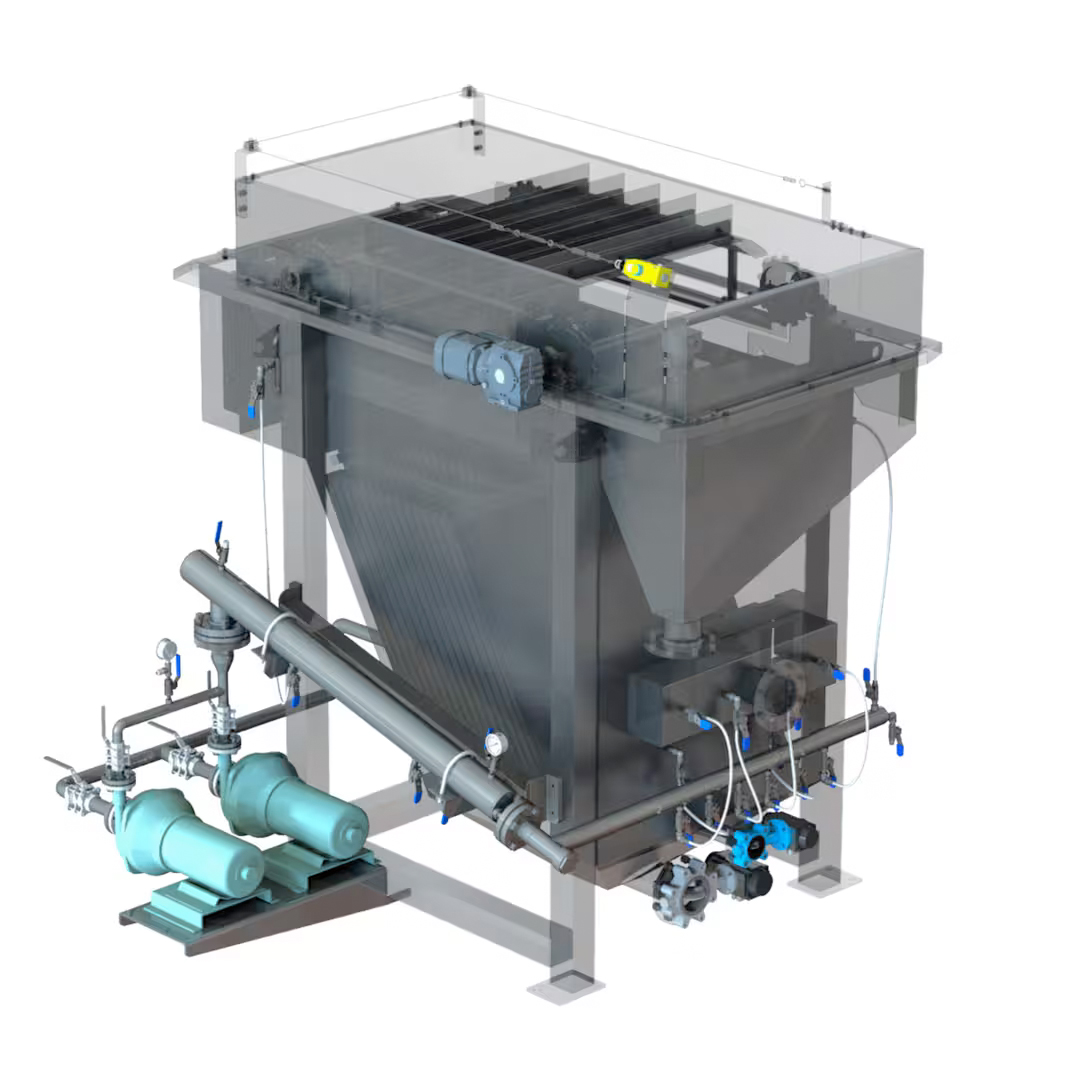
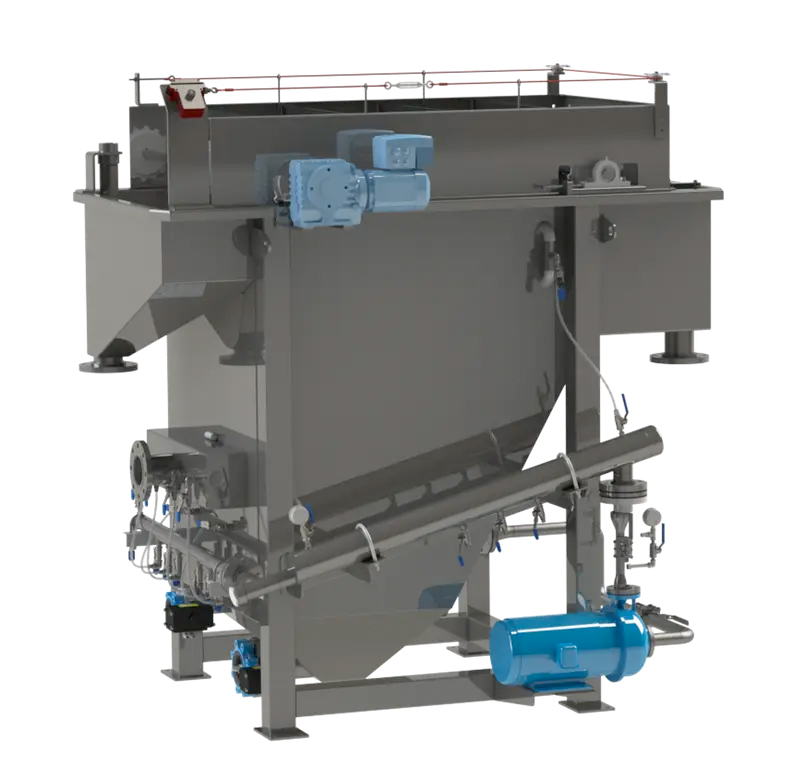
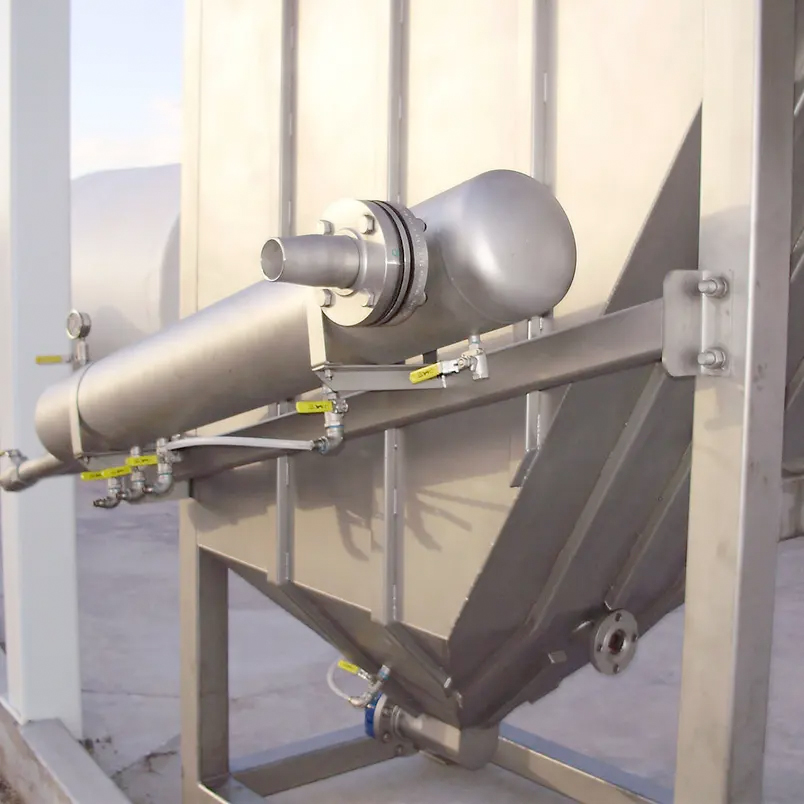
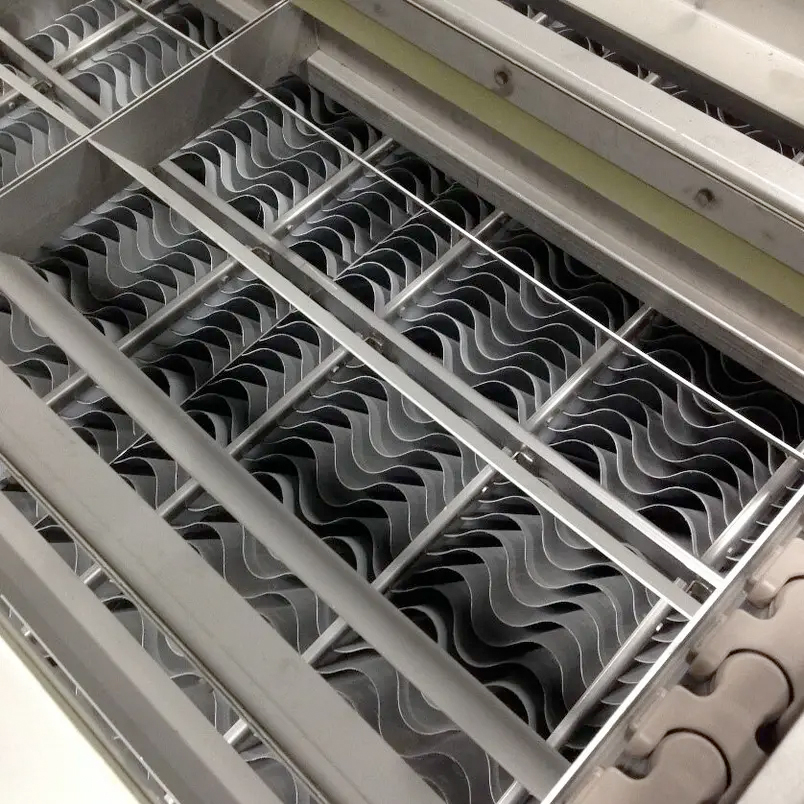
The PCCS series uses a compact flotation tank designed for packaged and fast deployment installations. The tank layout supports efficient separation performance within a small footprint.
Floated solids are removed by a motorized skimmer and discharged to a sludge hopper. Clarified water exits the tank and is routed to downstream treatment or discharge.
When influent quality requires it, the PCCS series can be combined with upstream flocculation to improve capture of fine solids and emulsified contaminants.
Applications and use cases
Benefits (commercial and operational)
Options and configuration
| Parameter | Typical range |
|---|---|
| Flow capacity | Up to 34.1+ m³/h |
| Free separation area | 0.7 – 4.2 m² |
| Effective separation area | 3.3 – 23.4 m² |
| Construction | Stainless steel (304, 316, duplex, or custom alloys) |
What makes the PCCS series suited to mobile or remote use?
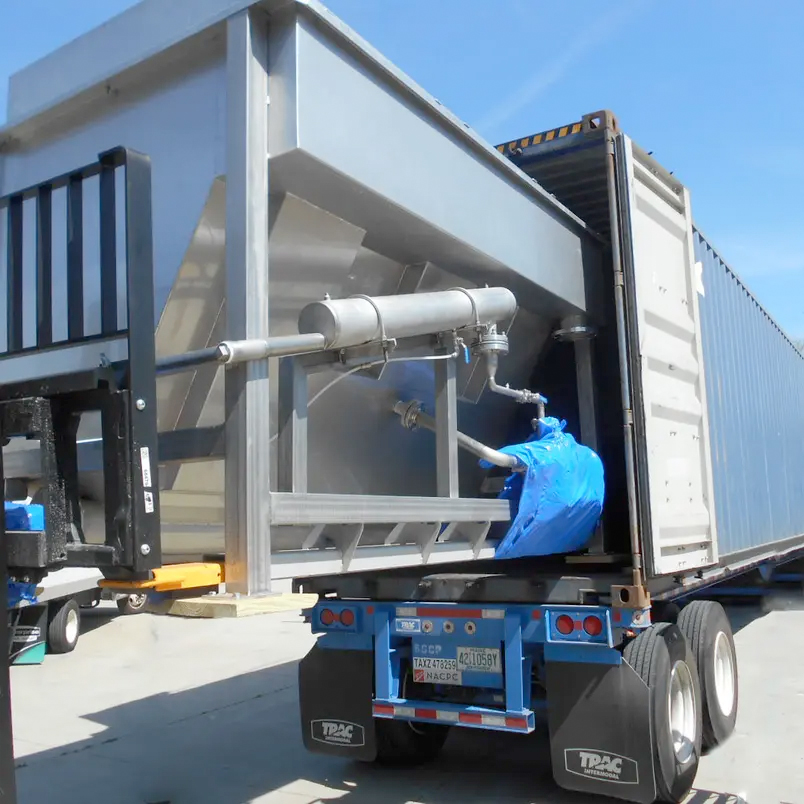
The compact footprint is designed around transport and installation constraints, supporting rapid mobilization where permanent civils are not ideal or timelines are tight.
Can it be supplied as a packaged, skid-mounted unit?
Yes. The PCCS series is commonly configured with pre-integrated recycle, dosing interfaces and controls to reduce site installation time.
Is the PCCS only for temporary use?
No. While often selected for temporary or pilot duties, it can also serve permanent small-scale industrial wastewater pretreatment where space is limited.
Does the PCCS series integrate with flocculation?
Yes. Where influent quality requires it, the compact DAF system can be integrated with upstream flocculation to improve capture of fine solids and emulsified contaminants.